
About
Why TIAN NEWS AI exists, how its articles are researched, and what readers can expect from a practical AI engineering journal.
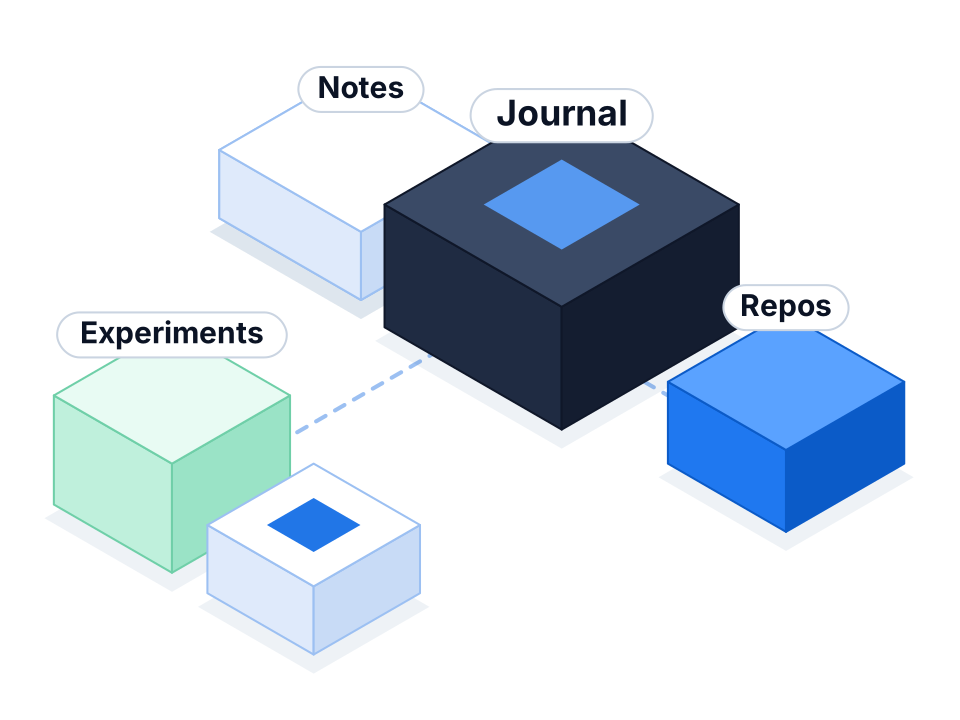
TIAN NEWS AI is my working notebook for the parts of AI engineering that reward careful reading: agent loops, agent memory, model context, retrieval, evaluation, infrastructure and the open-source systems that tie them together.
It is not a feed of product announcements. Each article begins with a concrete question, a system worth understanding or a result that did not match my expectations. The goal is to leave behind an explanation that remains useful after the launch cycle has moved on.
- AI engineering. Mental models and implementation patterns for agents, memory, retrieval, evaluation and context engineering in AI.
- Engineering systems. Architecture, reliability, performance and developer tooling for AI workloads in Engineering.
- Repository analysis. Source-code tours, architecture notes and hands-on evaluations under Repositories.
- Technical notes. Short patterns, fixes and lessons that are useful without a full deep dive, collected in Notes.
- Start with a question narrow enough to test.
- Read the primary documentation and the relevant source code.
- Build or run the smallest experiment that can reveal the important behavior.
- Record the trade-offs, failure modes and limits—not only the happy path.
- Turn the result into a reusable mental model, example or checklist.
Repository stars and metadata are snapshots, not live claims. When an observation comes from an experiment, the article explains the setup. When something is an interpretation rather than a measured result, the writing should make that boundary clear.
- Useful after publication day. The best article should still answer a real engineering question months later.
- Specific over impressive. Concrete data flows, code paths and failure modes matter more than broad claims.
- Readable without being shallow. Diagrams and examples should reduce cognitive load without removing the hard parts.
- Honest boundaries. Version assumptions, unknowns and failed approaches belong in the article.
Technical content ages quickly. Version-sensitive articles state what was tested and when, repository pages show the date of their metadata snapshot, and the public Updated date changes only after a meaningful editorial revision.
Corrections
If something is wrong, incomplete or out of date, corrections are welcome. Meaningful fixes are published as dated revisions so readers can distinguish the original article from what changed later.