
Engineering
Building a Reliable MCP Server
A production-minded guide to building an MCP server that stays predictable under bad inputs, upstream failures, cancellation and real clients.
8 min read
Browse the complete archive of field notes, experiments, tutorials and source-code deep dives.
27 articles
A production-minded guide to building an MCP server that stays predictable under bad inputs, upstream failures, cancellation and real clients.
8 min read
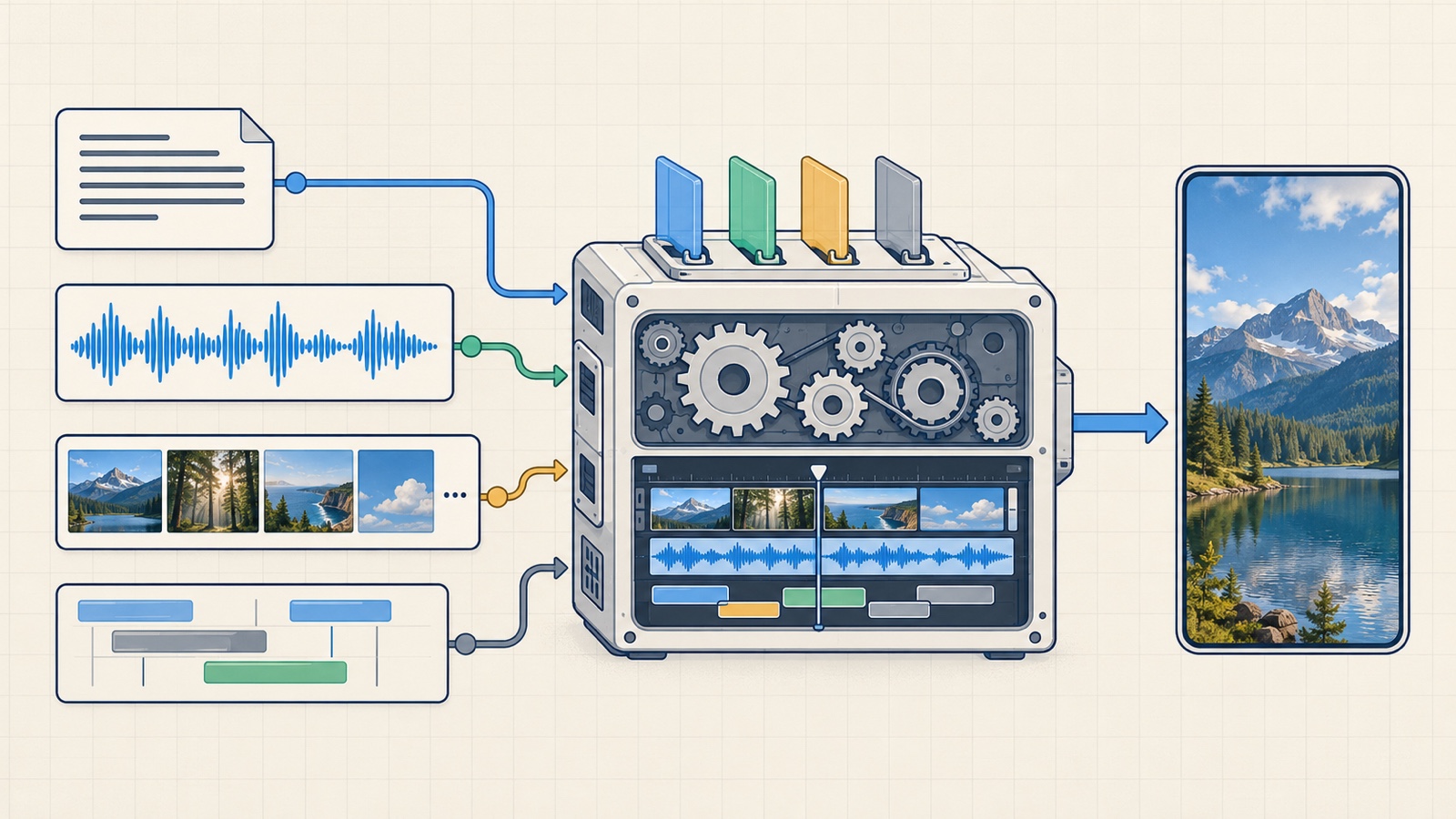
A source-level analysis of MoneyPrinterTurbo, from scripts, voice-over, footage, subtitles, and FFmpeg to queues, Redis, security, cost, and production limits.
25 min read

A source-level analysis of VoiceStudio's architecture, OmniVoice engine, APIs, security model, licensing and operational trade-offs.
16 min read
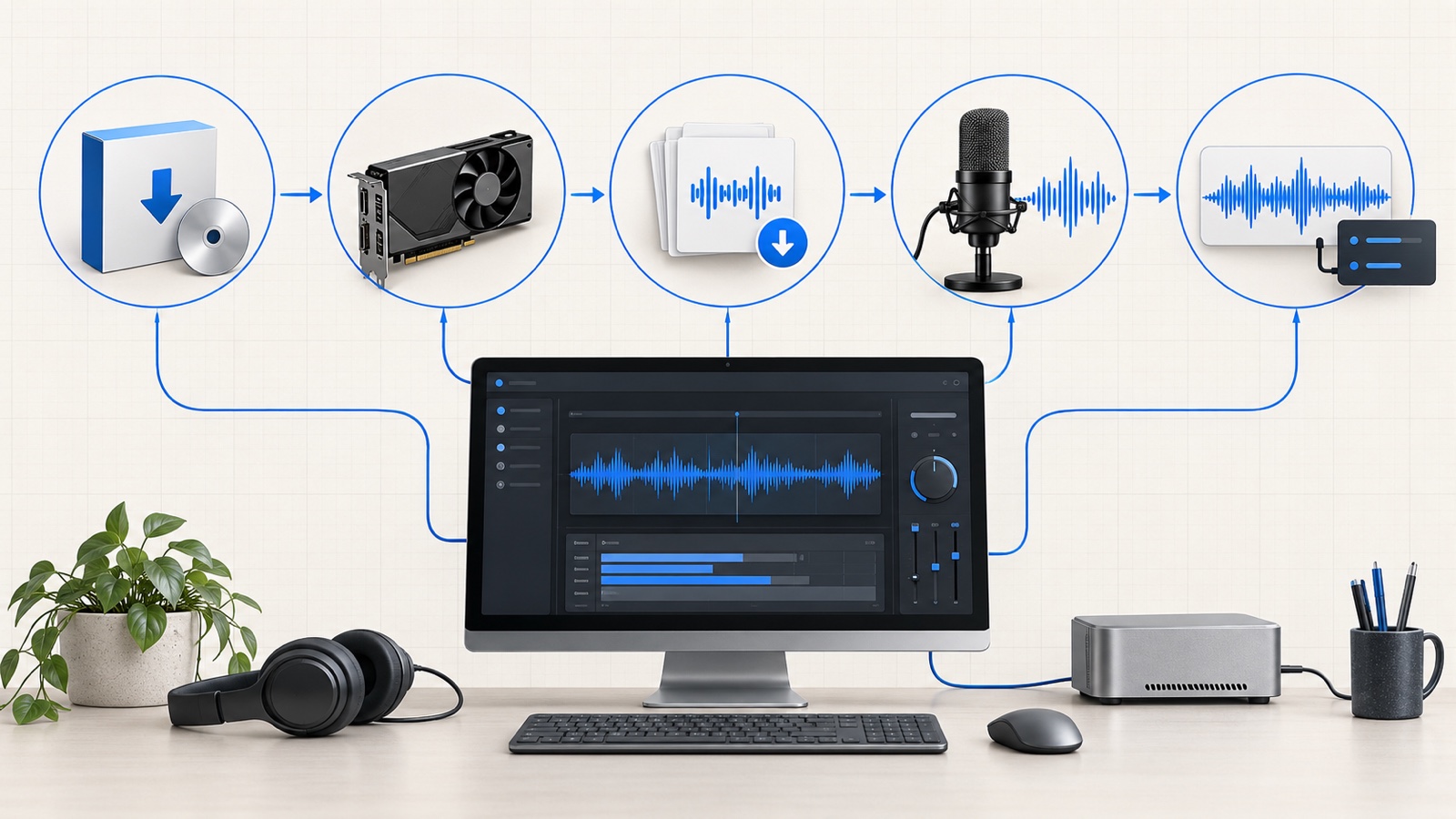
Install VoiceStudio, choose the right hardware path, clone a voice, generate and validate audio, use the local API and understand every output format.
14 min read
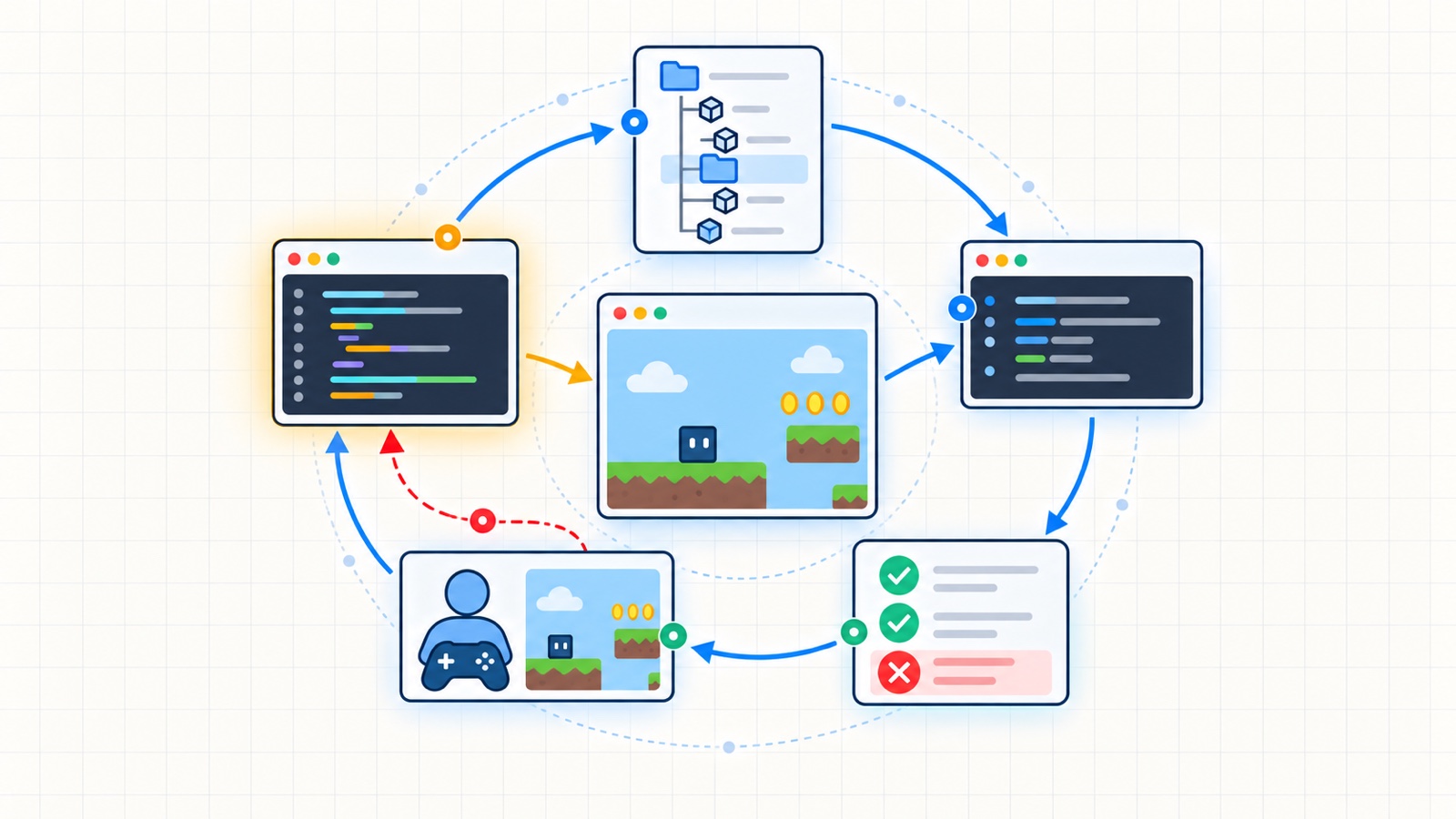
A practical loop for delegating small Godot changes while keeping scenes, imports and playability under human control.
4 min read
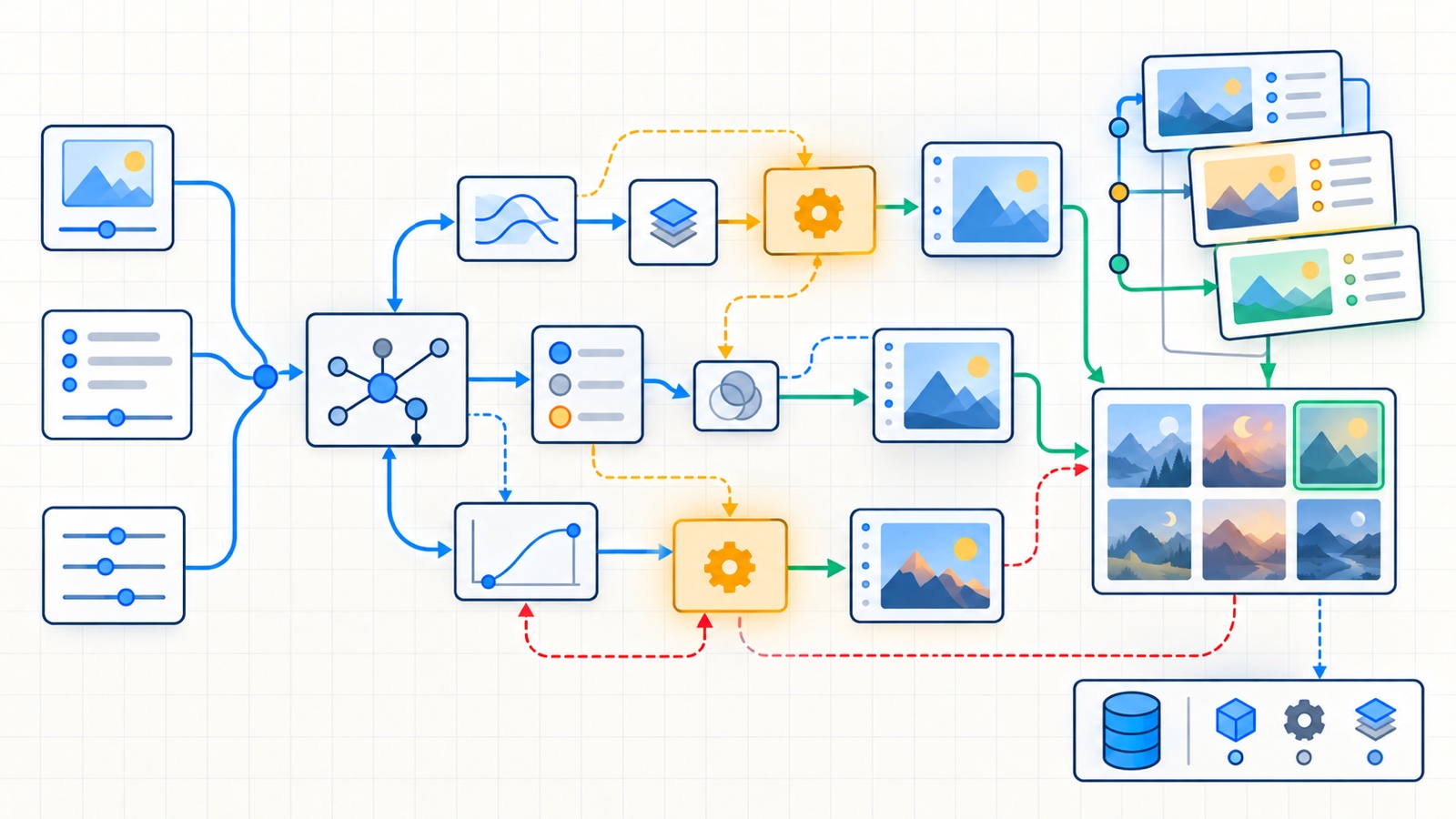
How to turn a node graph into a versioned image-production recipe with controlled inputs, traceable dependencies and reviewable outputs.
3 min read
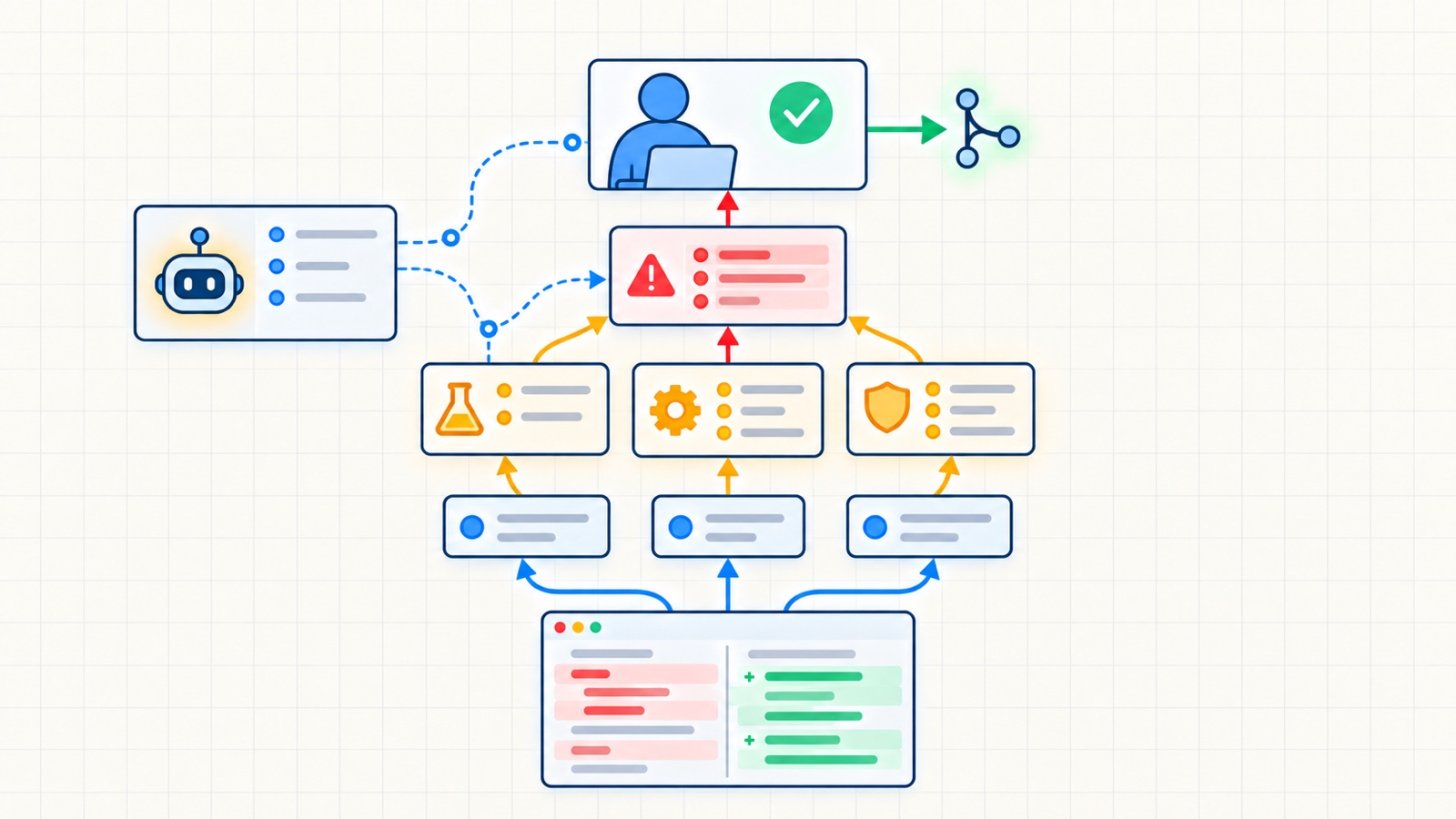
How to use an AI reviewer for fast triage while keeping approval, security judgment and merge authority with accountable humans.
4 min read
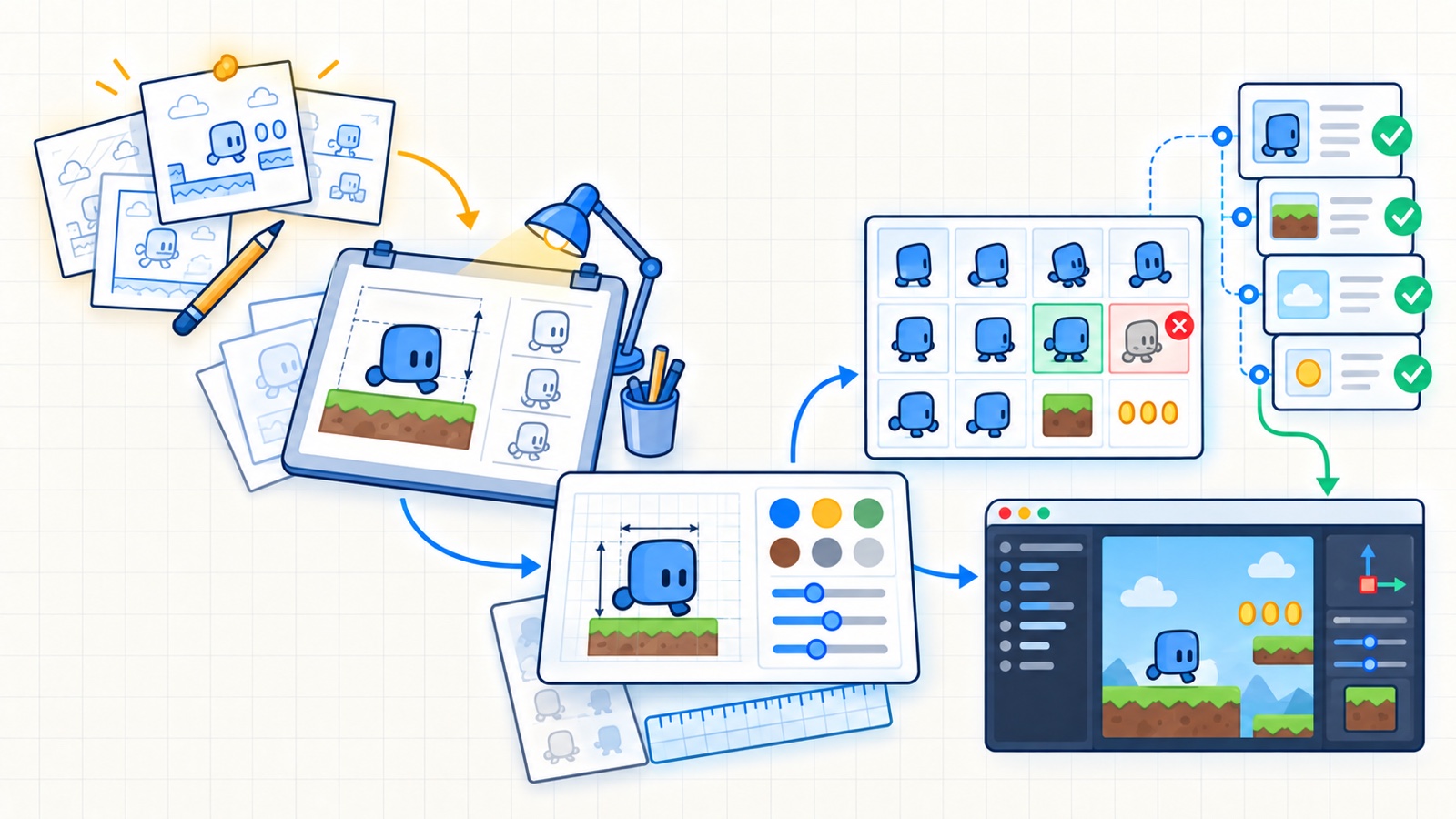
A production-oriented pipeline for turning generated concepts into consistent, licensed and engine-ready 2D game assets.
3 min read
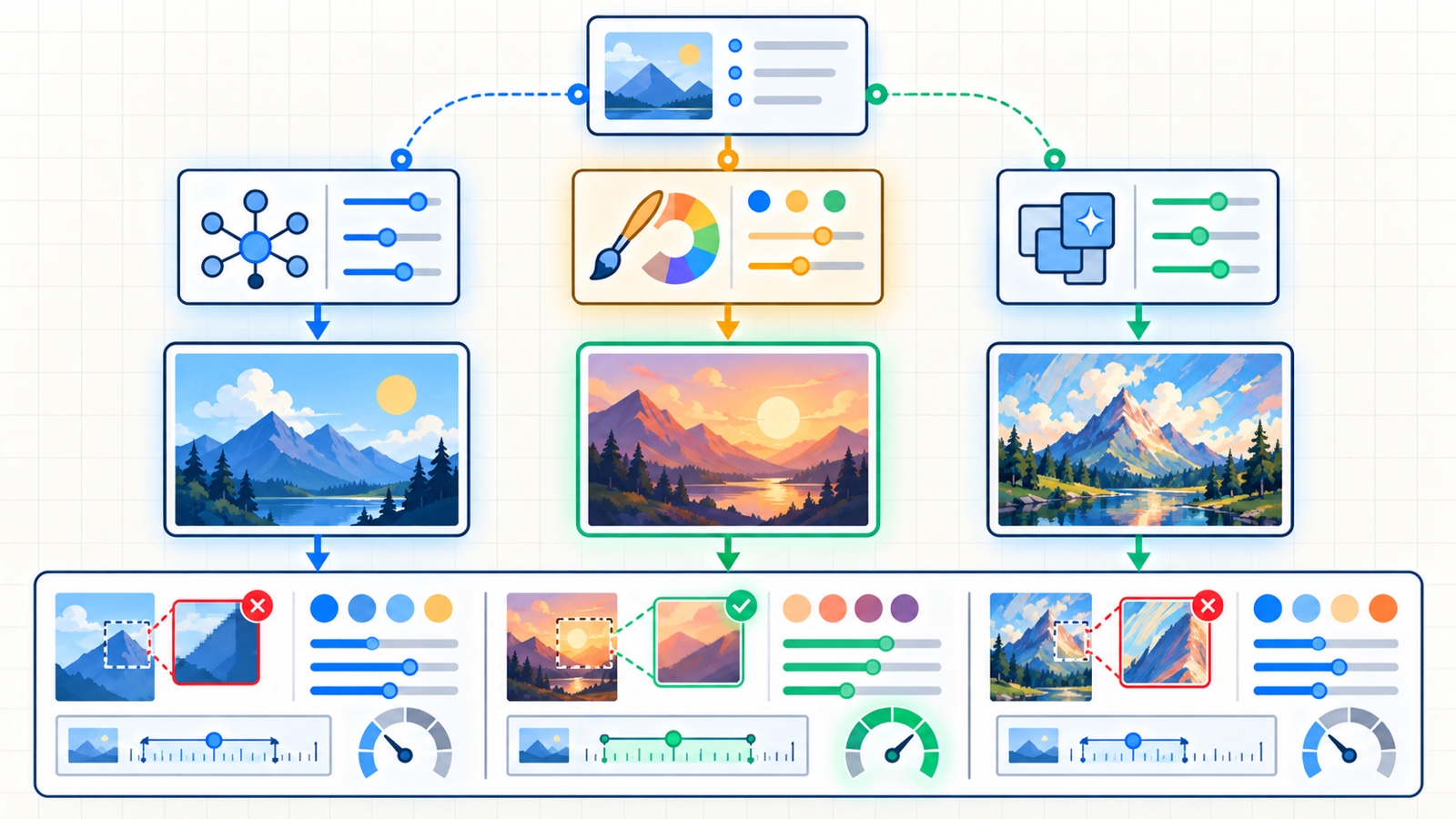
A repeatable evaluation protocol for comparing image generators without turning the result into a subjective prompt contest.
4 min read
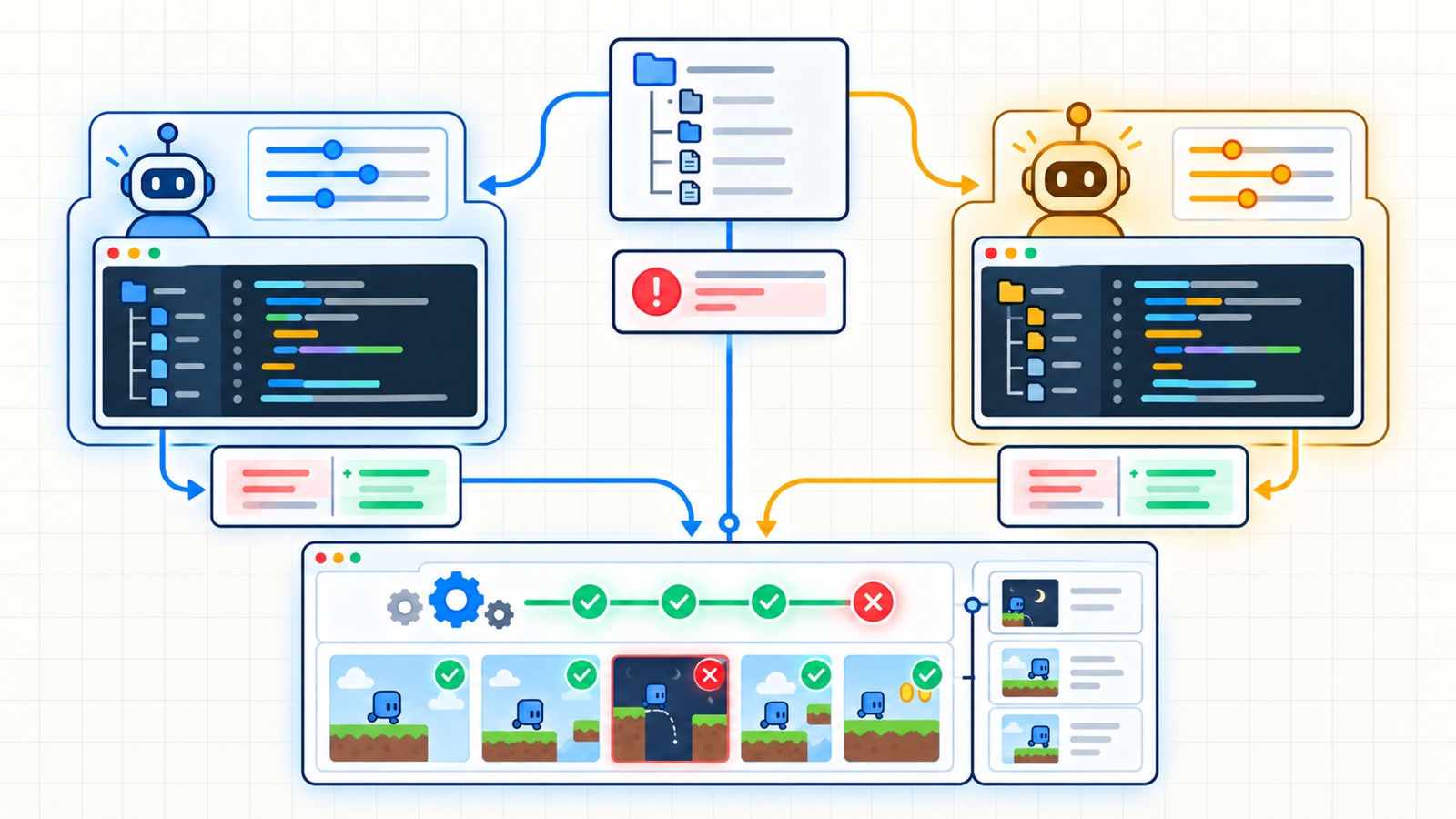
A fair, evidence-first protocol for comparing coding agents on the same issue, repository state and verification harness.
4 min read
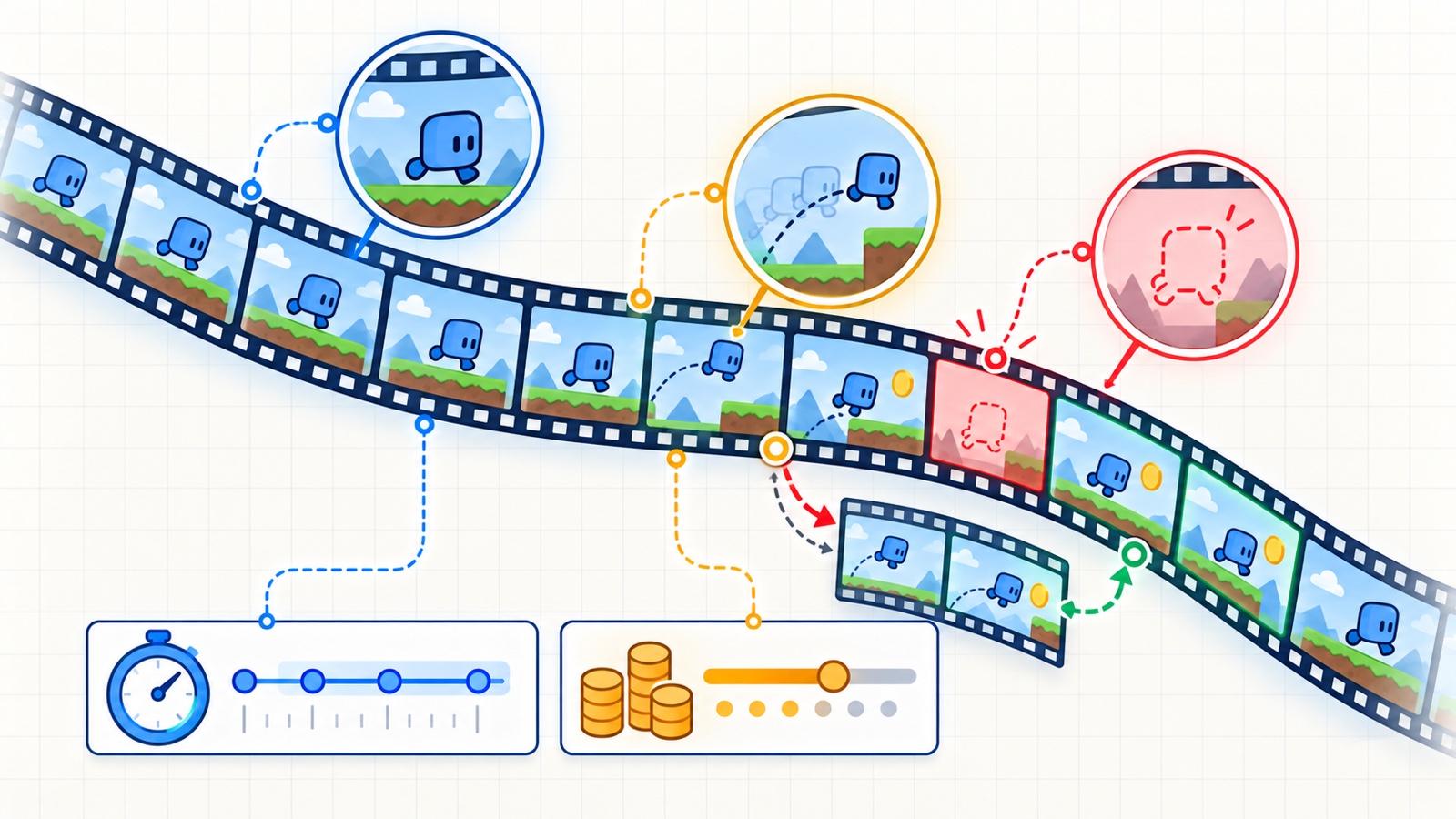
A shot-level protocol for comparing video generators on continuity, controllability, failure recovery and production cost.
4 min read
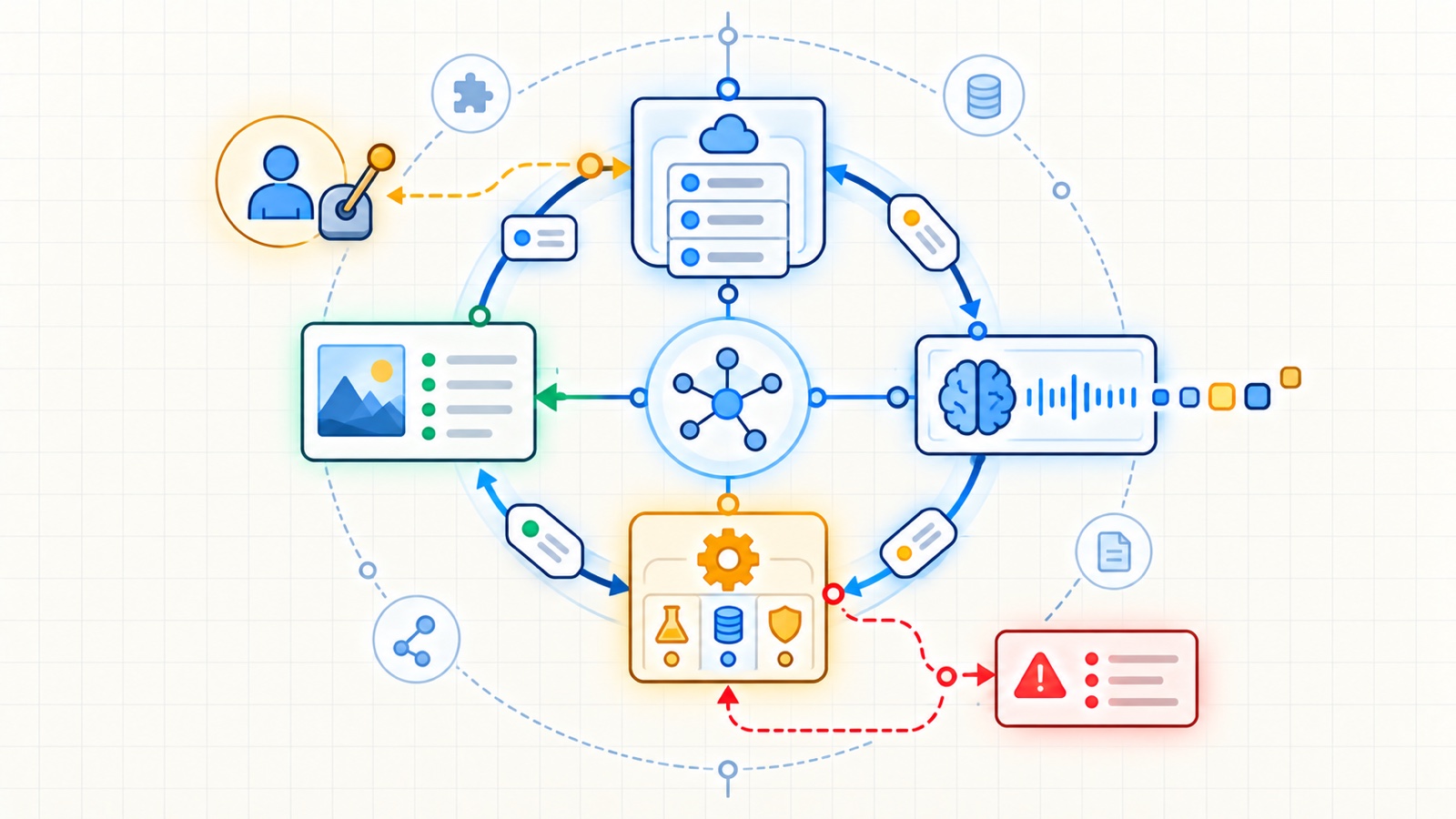
How the AI SDK separates provider adapters, typed tools, generation steps and UI streams, and where production applications need stronger boundaries.
4 min read
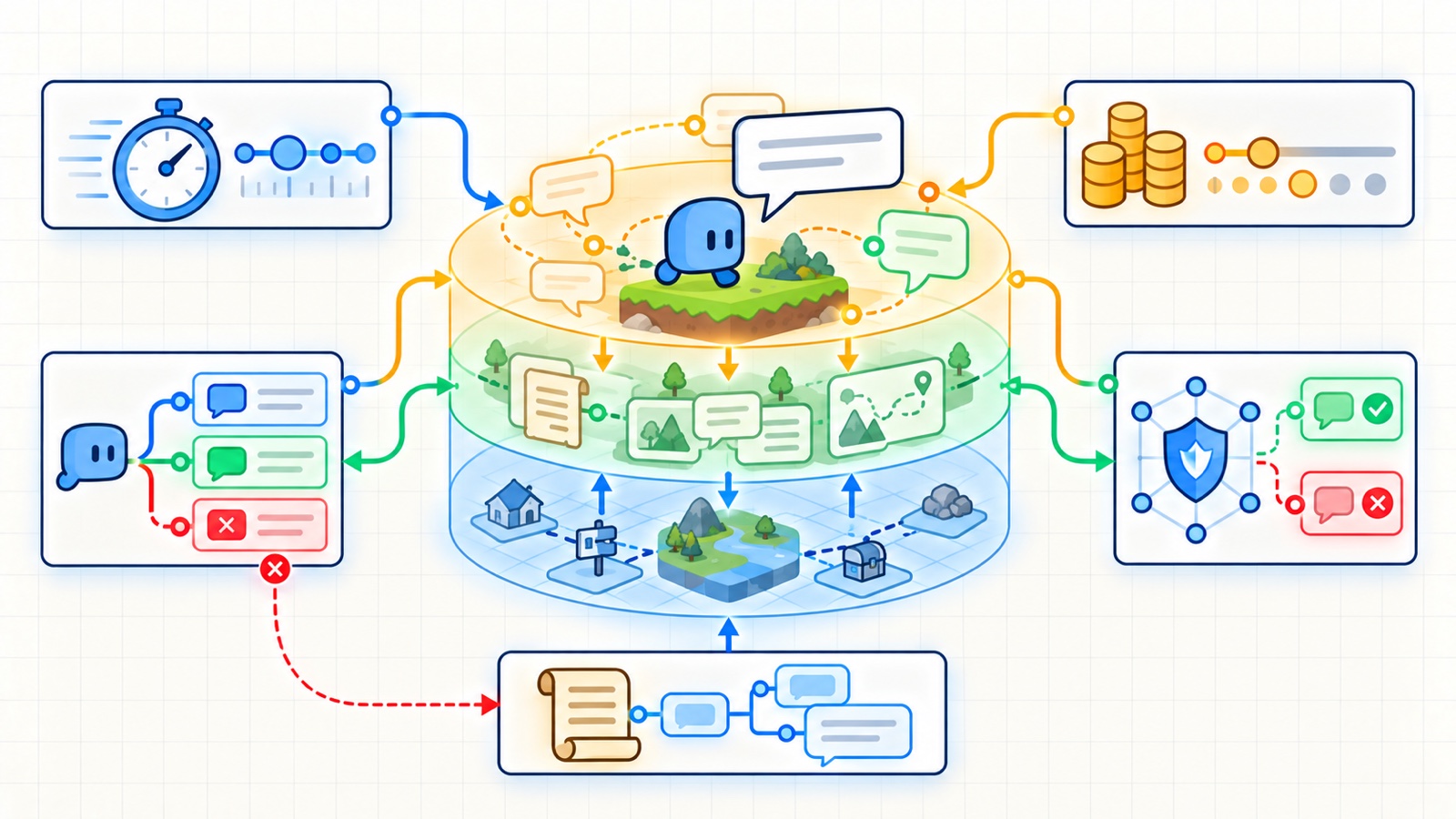
An architecture for adding generated dialogue to a game without giving up deterministic state, responsive interaction or narrative control.
4 min read
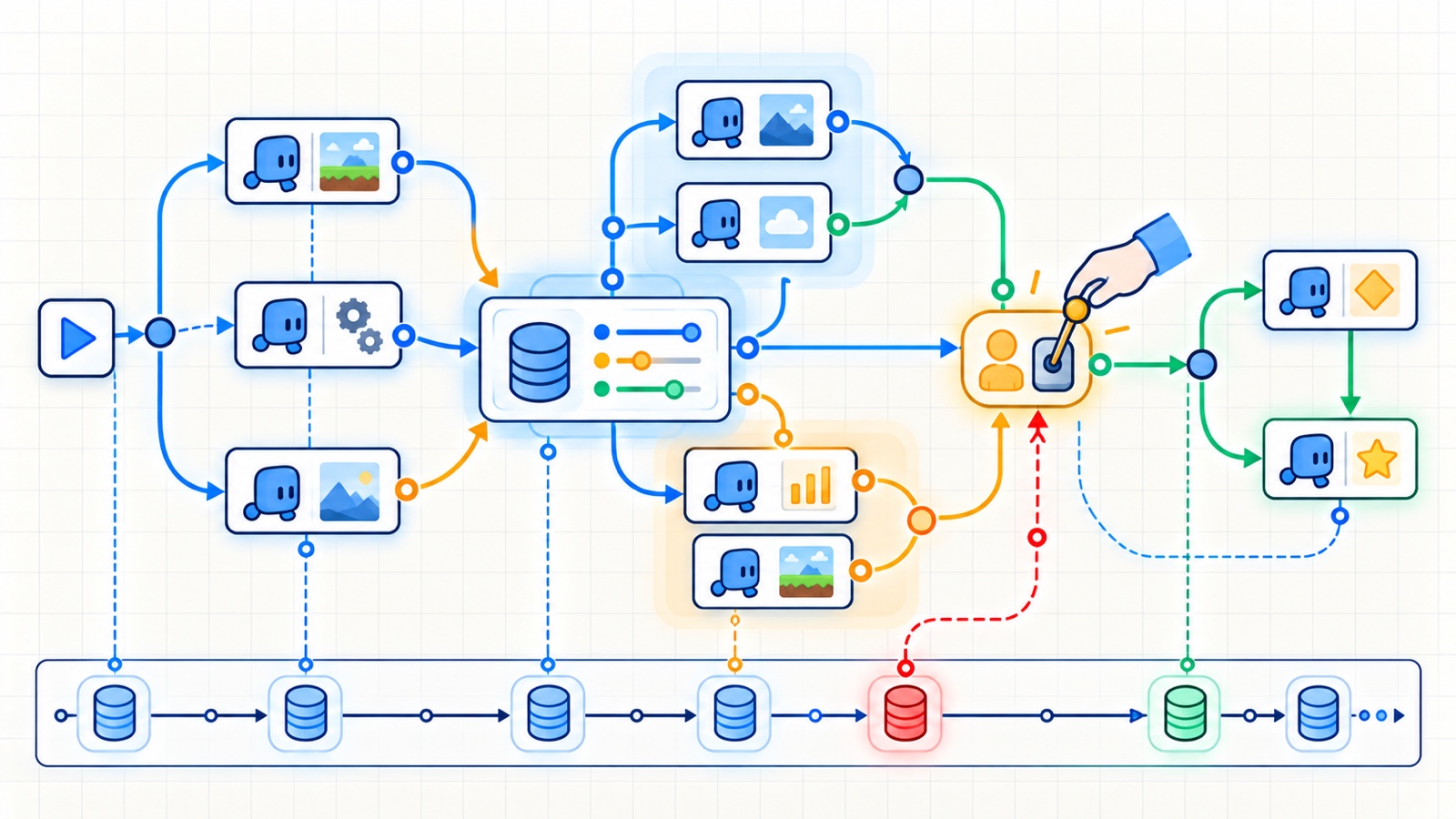
A source-oriented tour of LangGraph state, nodes, supersteps, checkpoints and interrupts, with guidance on where the runtime fits.
4 min read
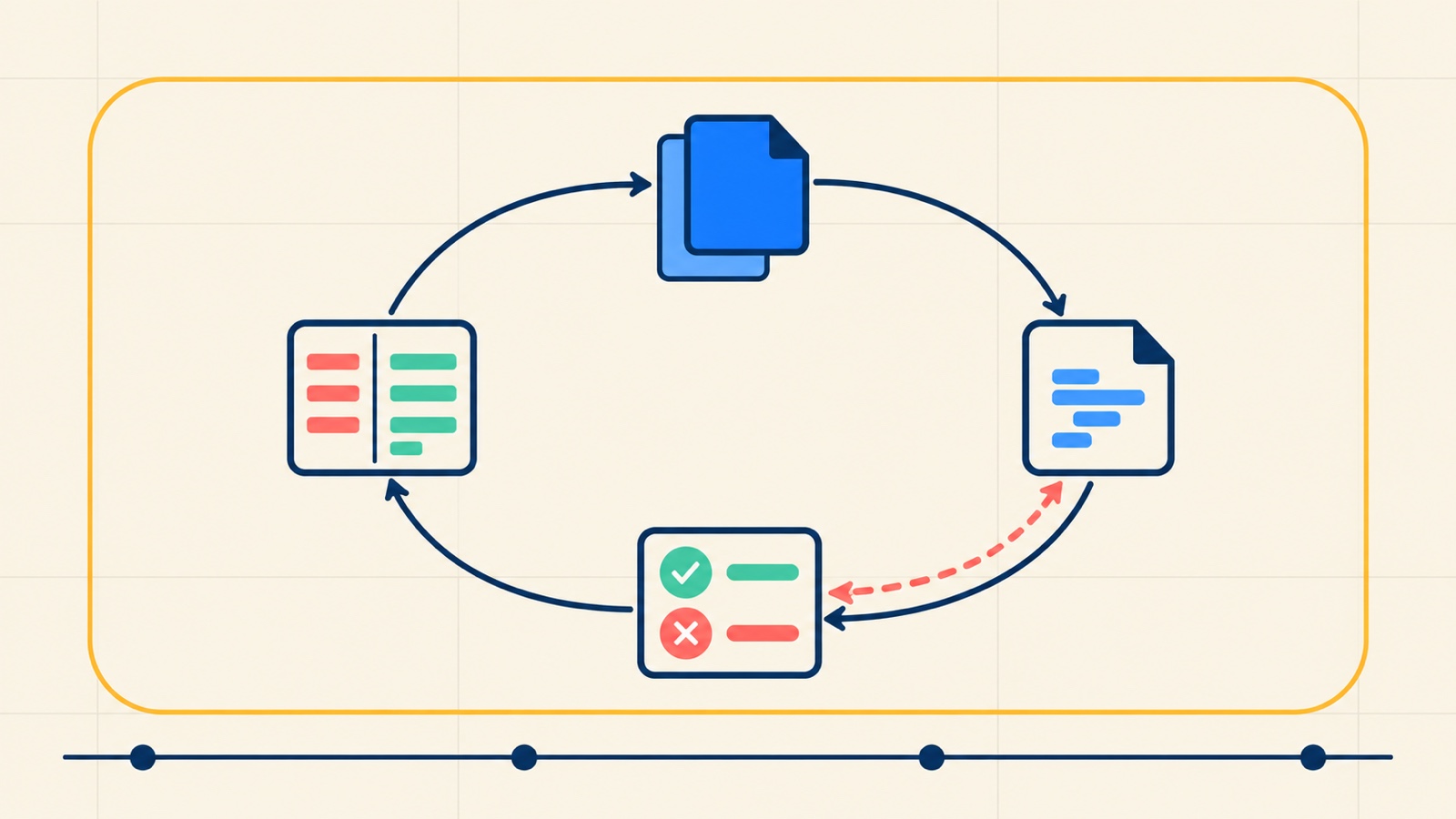
An evidence-graded field guide to using Claude Code safely and reproducibly: constrain the task, protect the context window, verify every change and automate only inside explicit boundaries.
10 min read
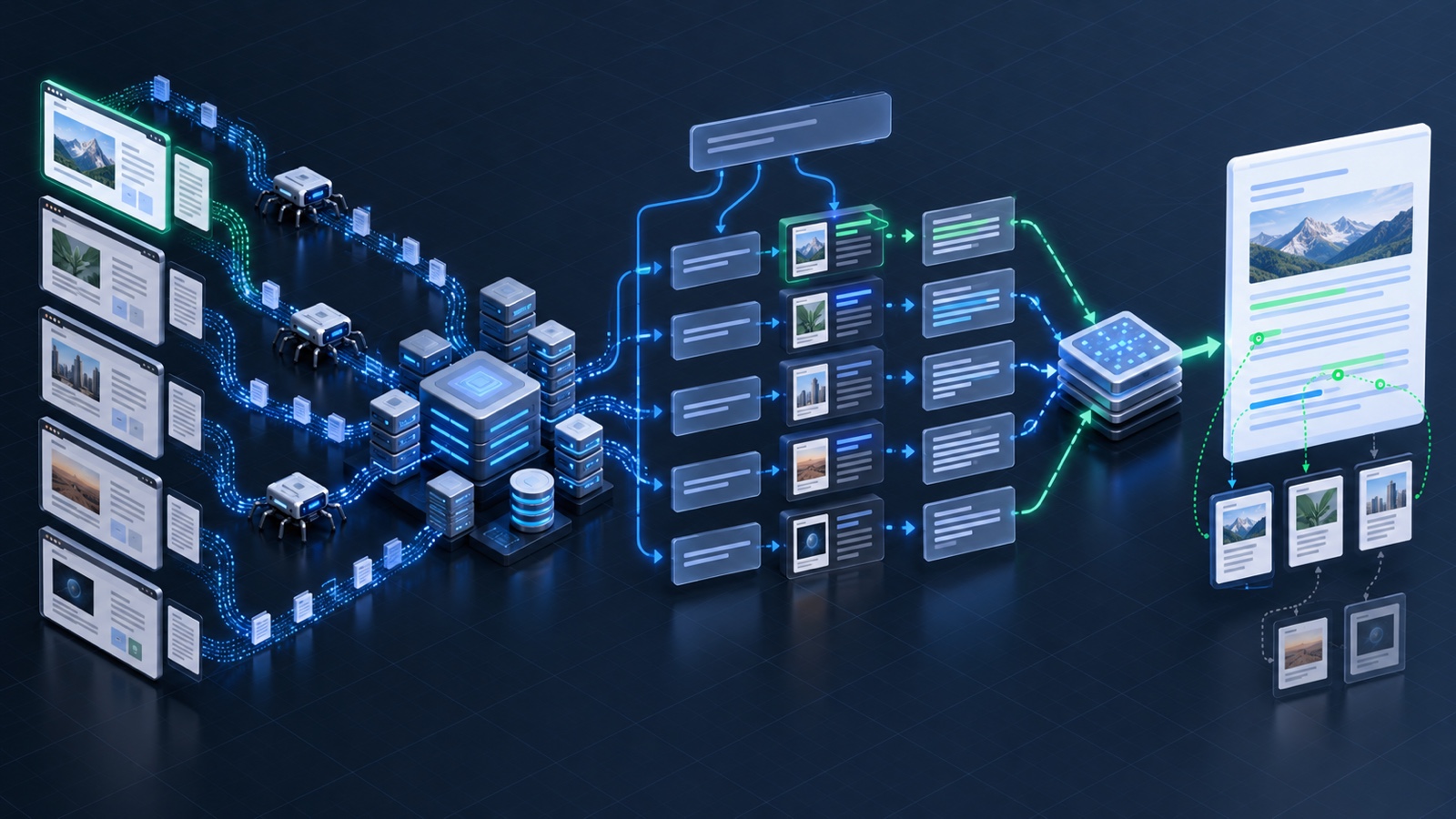
An evidence-based guide to how crawler access, indexability, source quality and repeatable measurement affect whether AI search systems can cite a webpage.
9 min read
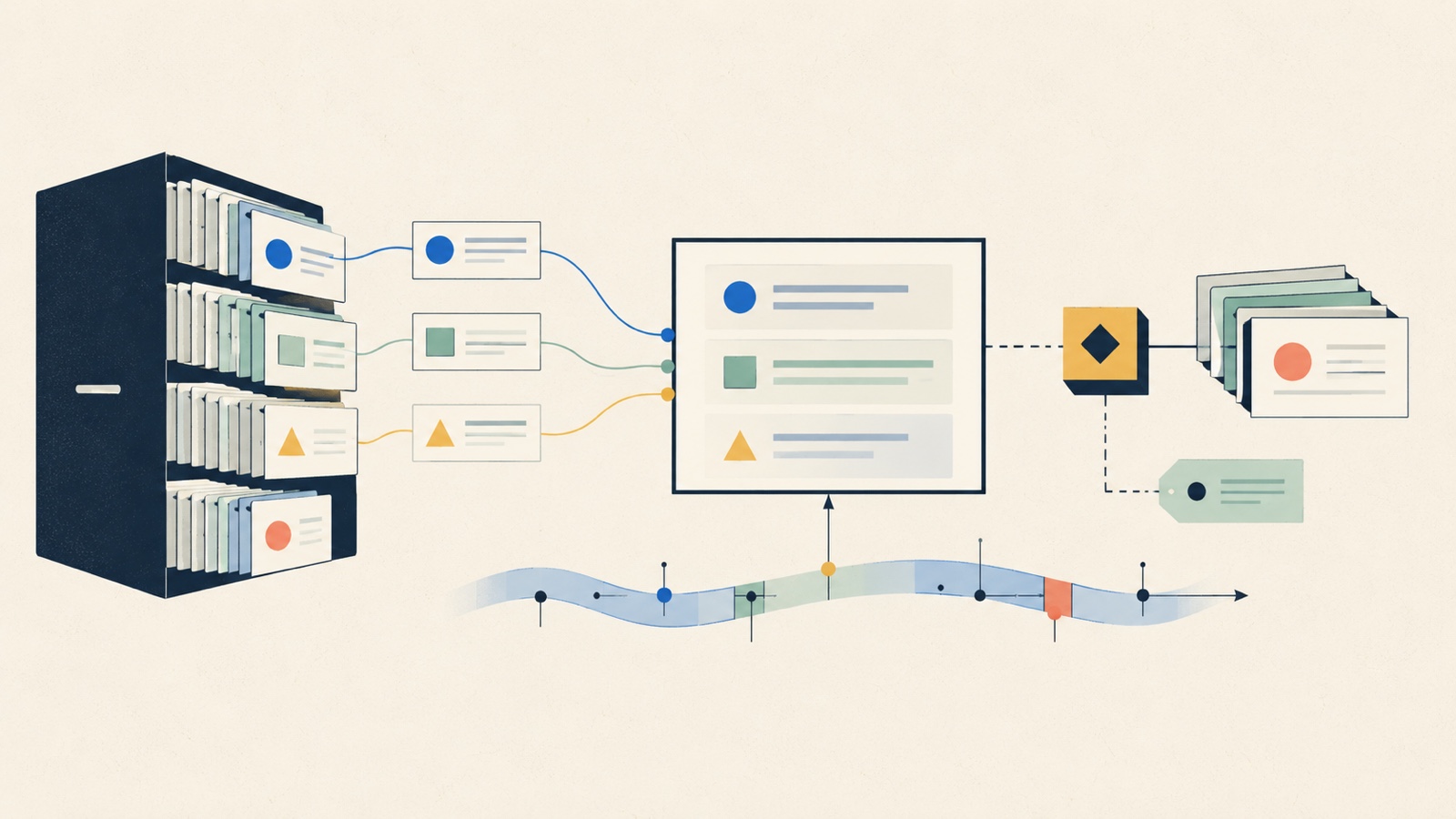
A rigorous guide to agent memory as a governed state subsystem: what is stored, how it is updated and retrieved, and how to evaluate it safely.
11 min read
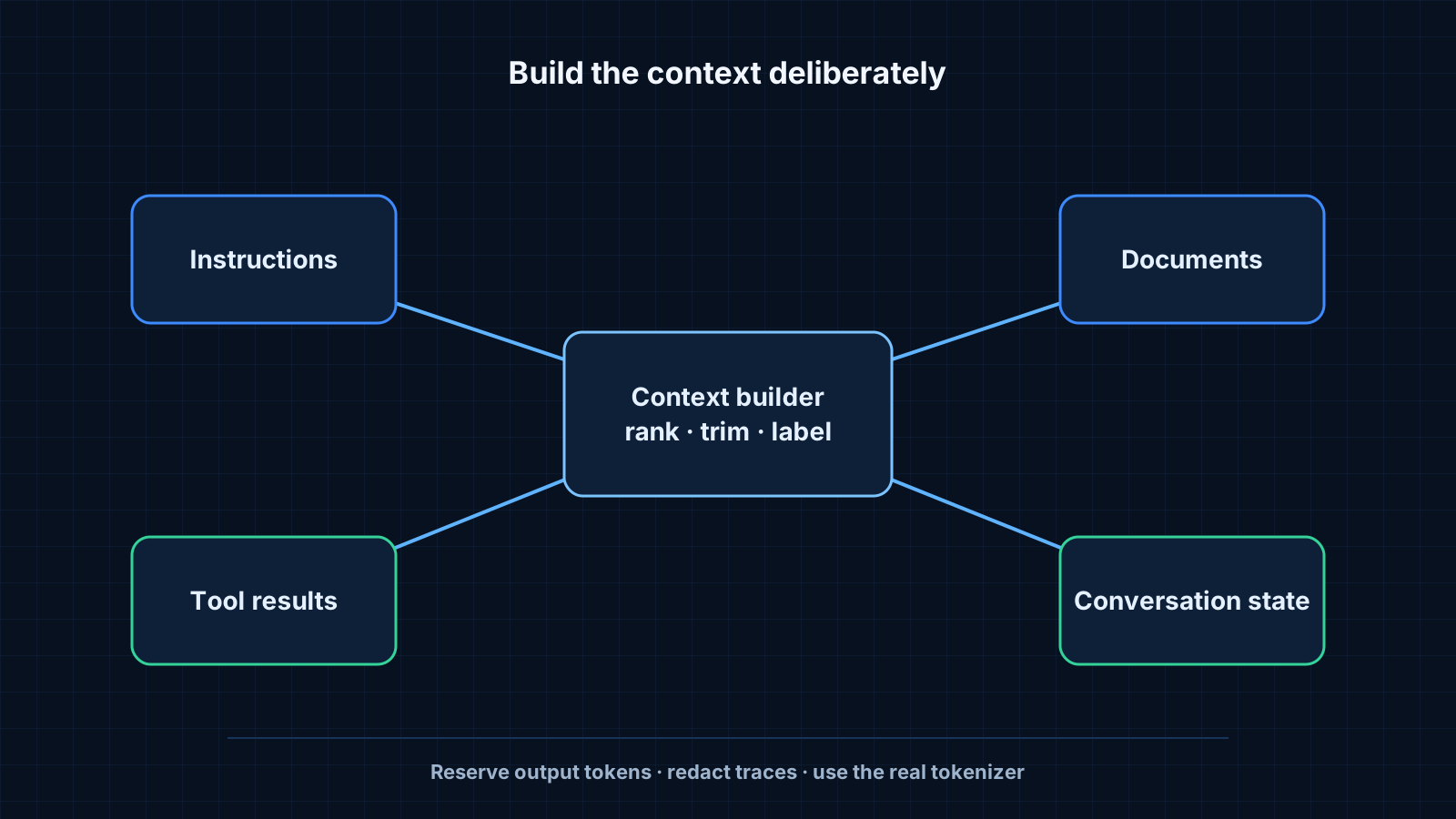
Why the context you assemble matters more than the prompt you write, and practical techniques to keep it relevant and within budget.
3 min read
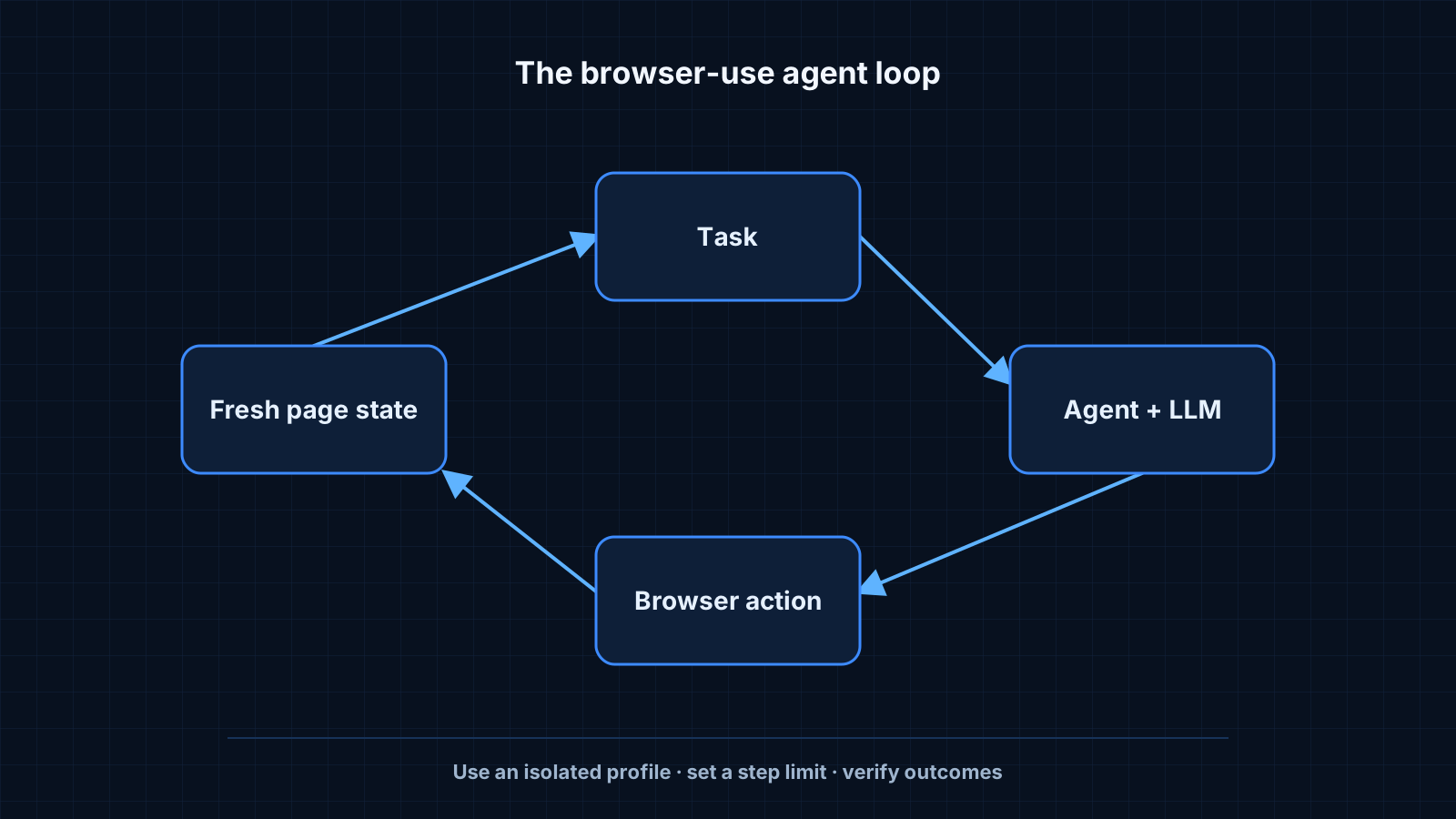
Hands-on notes on browser-use — how its agent loop drives a real browser, what worked, what did not, and when I would use it.
2 min read
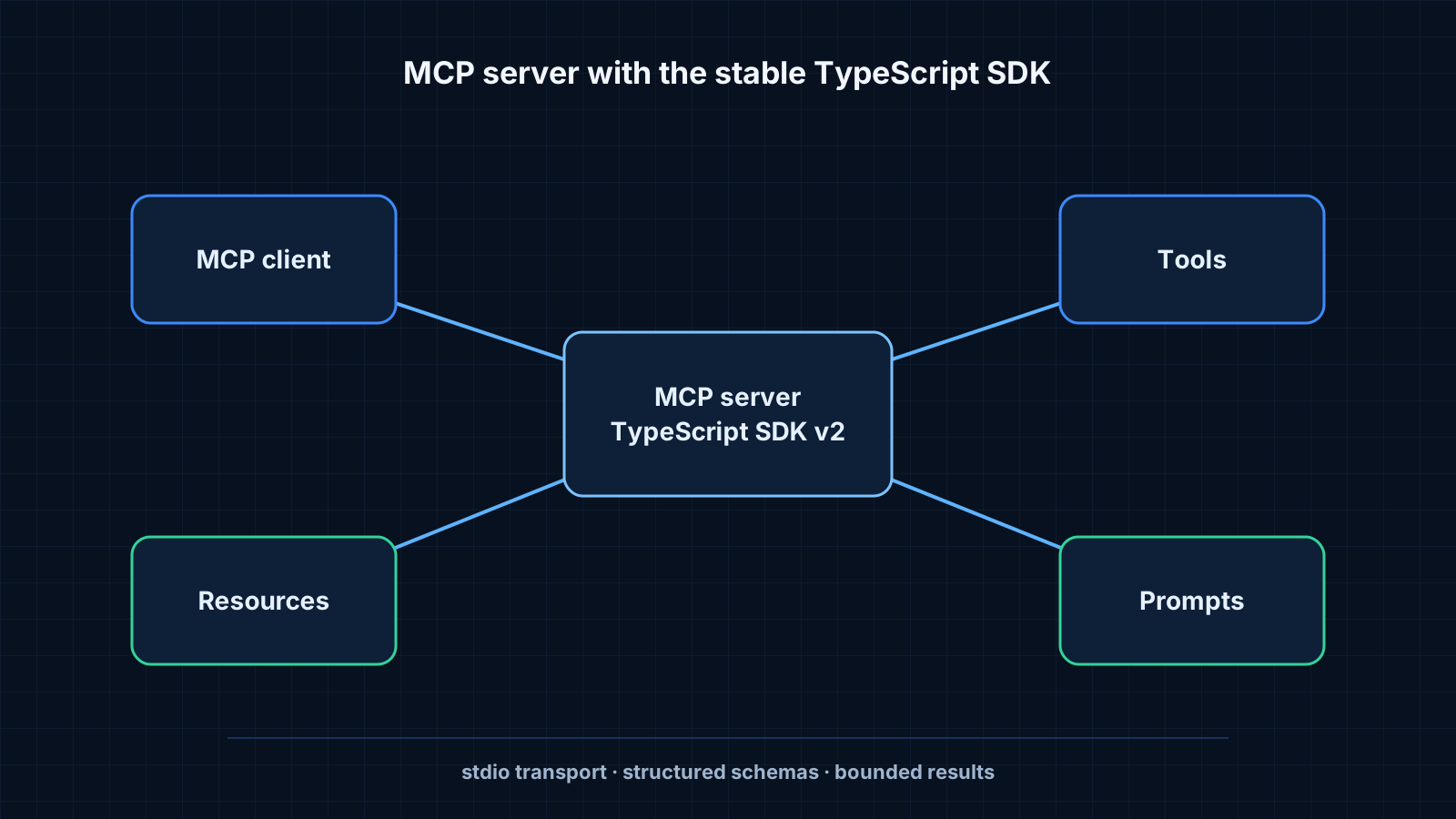
A practical guide to building a small Model Context Protocol server in TypeScript, from the first tool to testing it in a real client.
2 min read
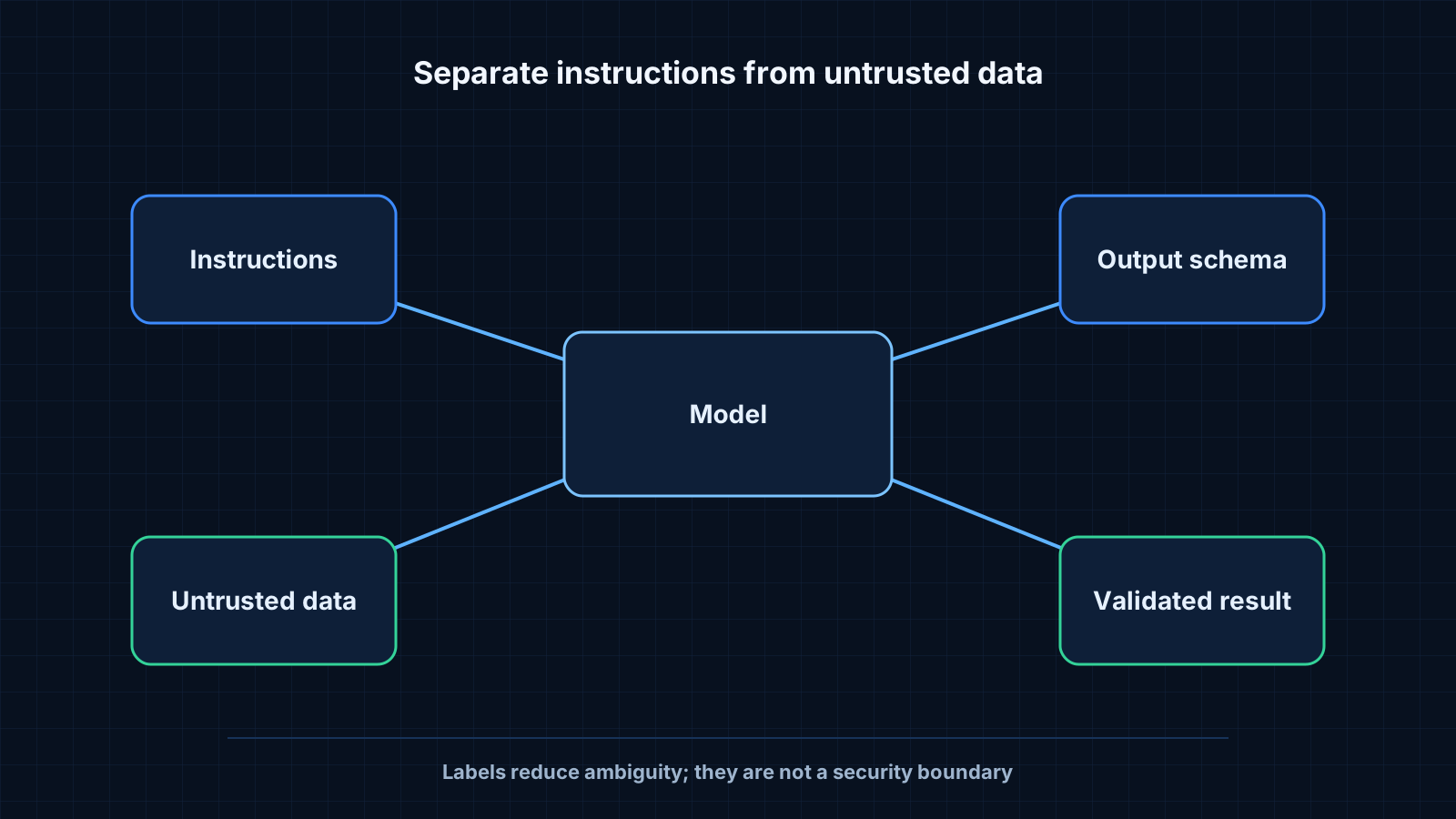
A short collection of prompting patterns that consistently work in real projects, with one example each.
1 min read
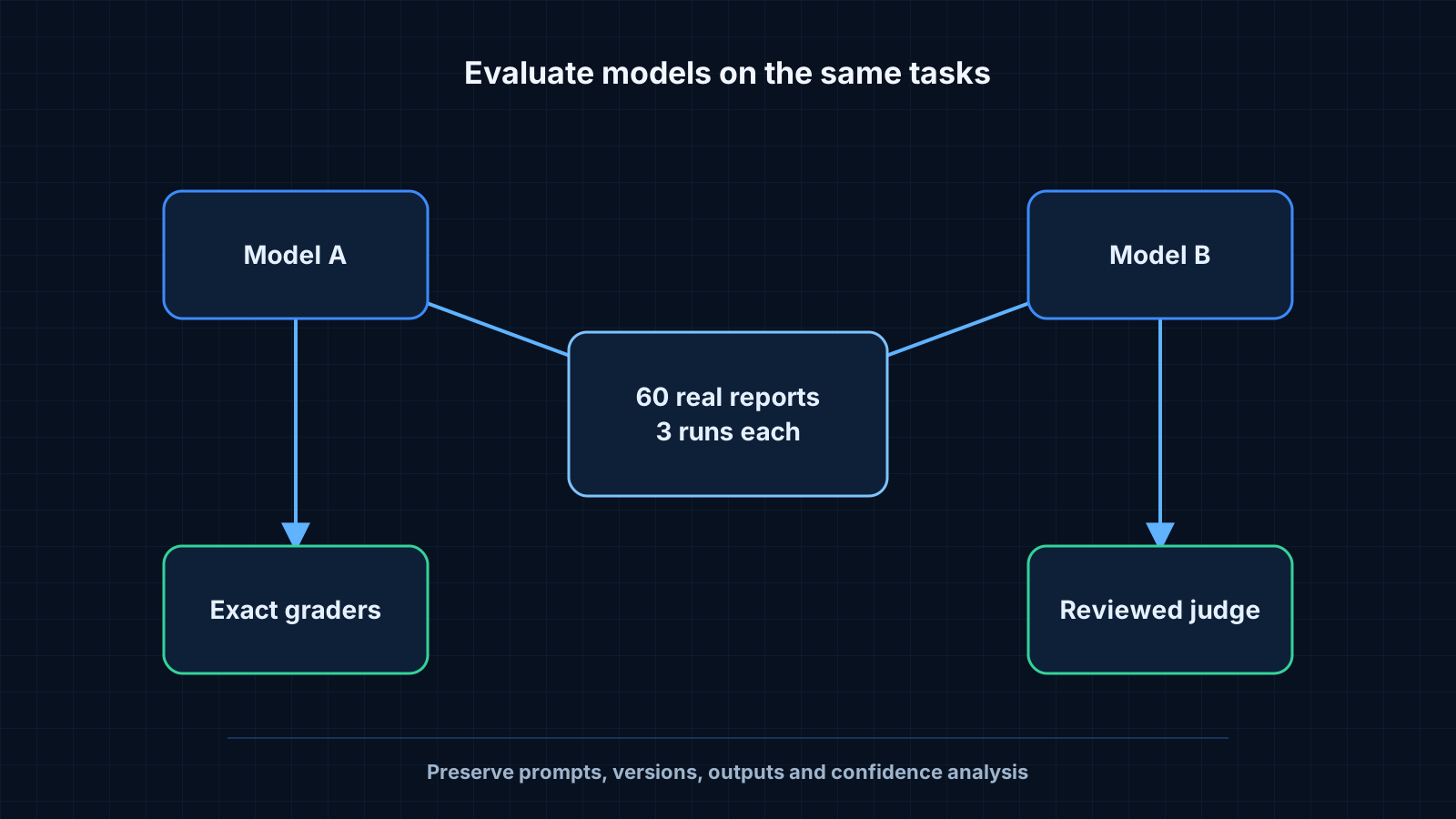
How to compare two models on your own tasks with a small dataset, simple graders and a report you can actually read.
2 min read
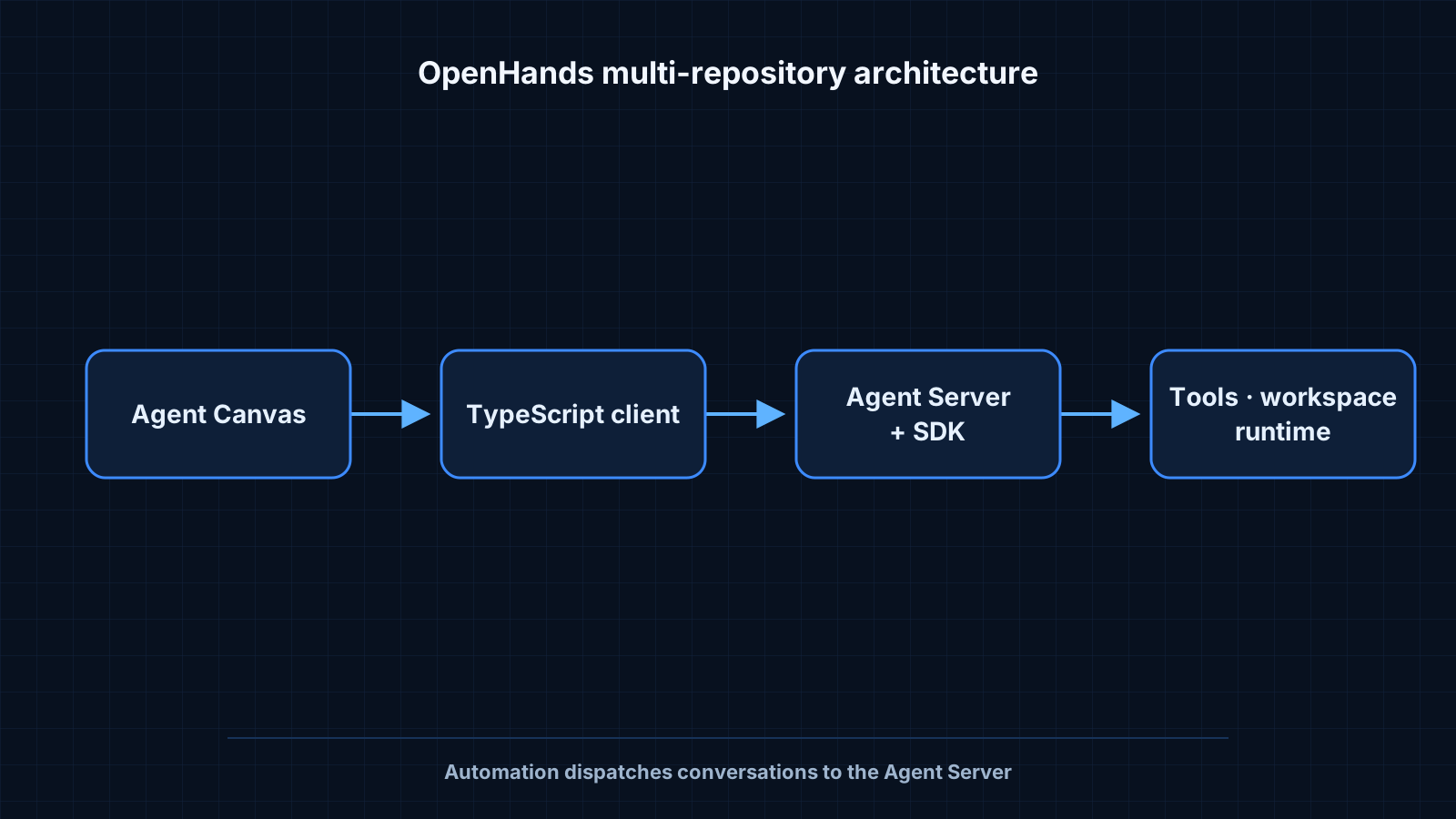
A walk through how OpenHands structures a coding agent — the controller, the event stream and the sandboxed runtime — and what I would borrow from it.
2 min read
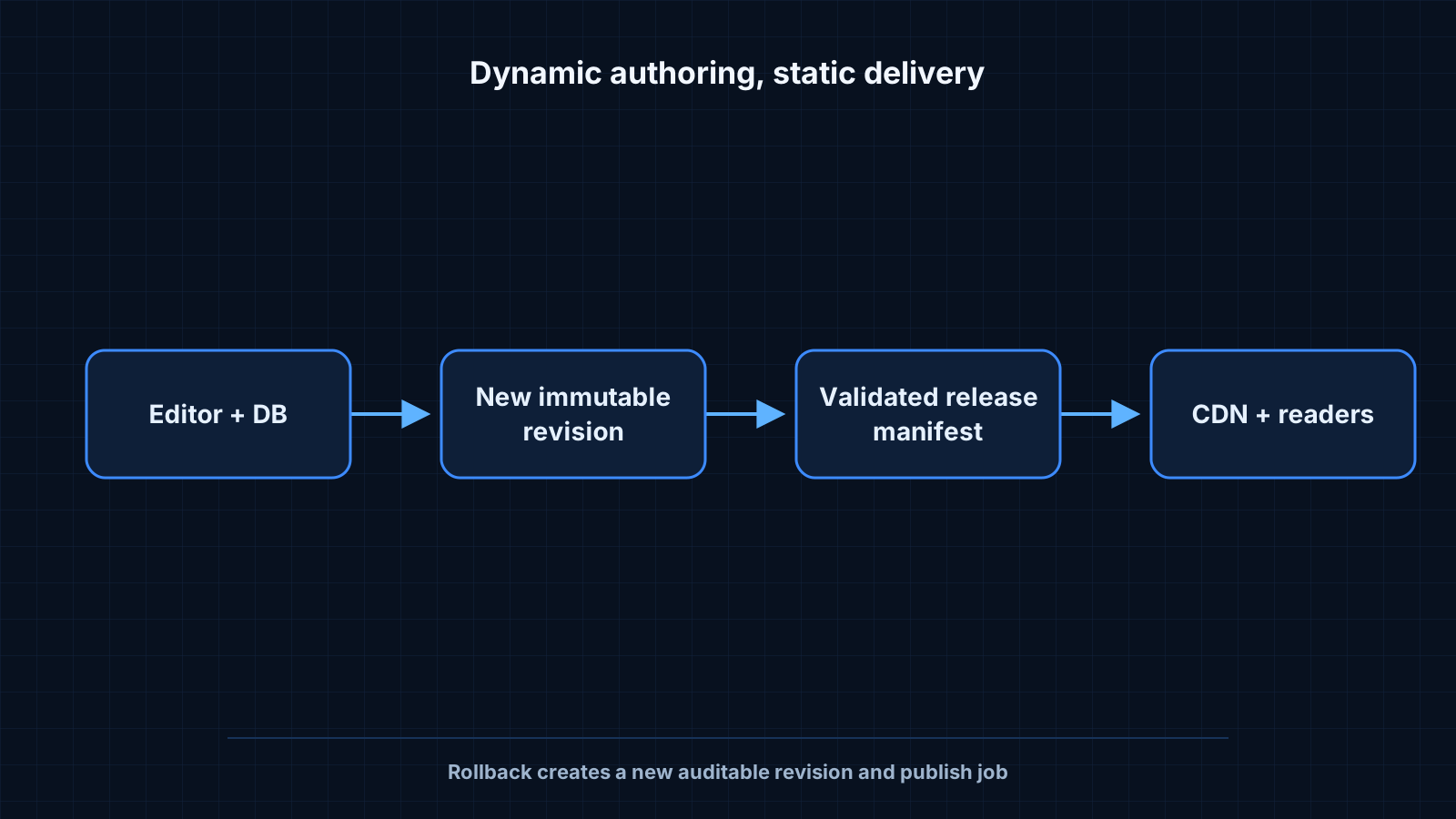
How this journal separates dynamic authoring from static delivery, with immutable revisions, versioned releases and a CDN in front.
2 min read
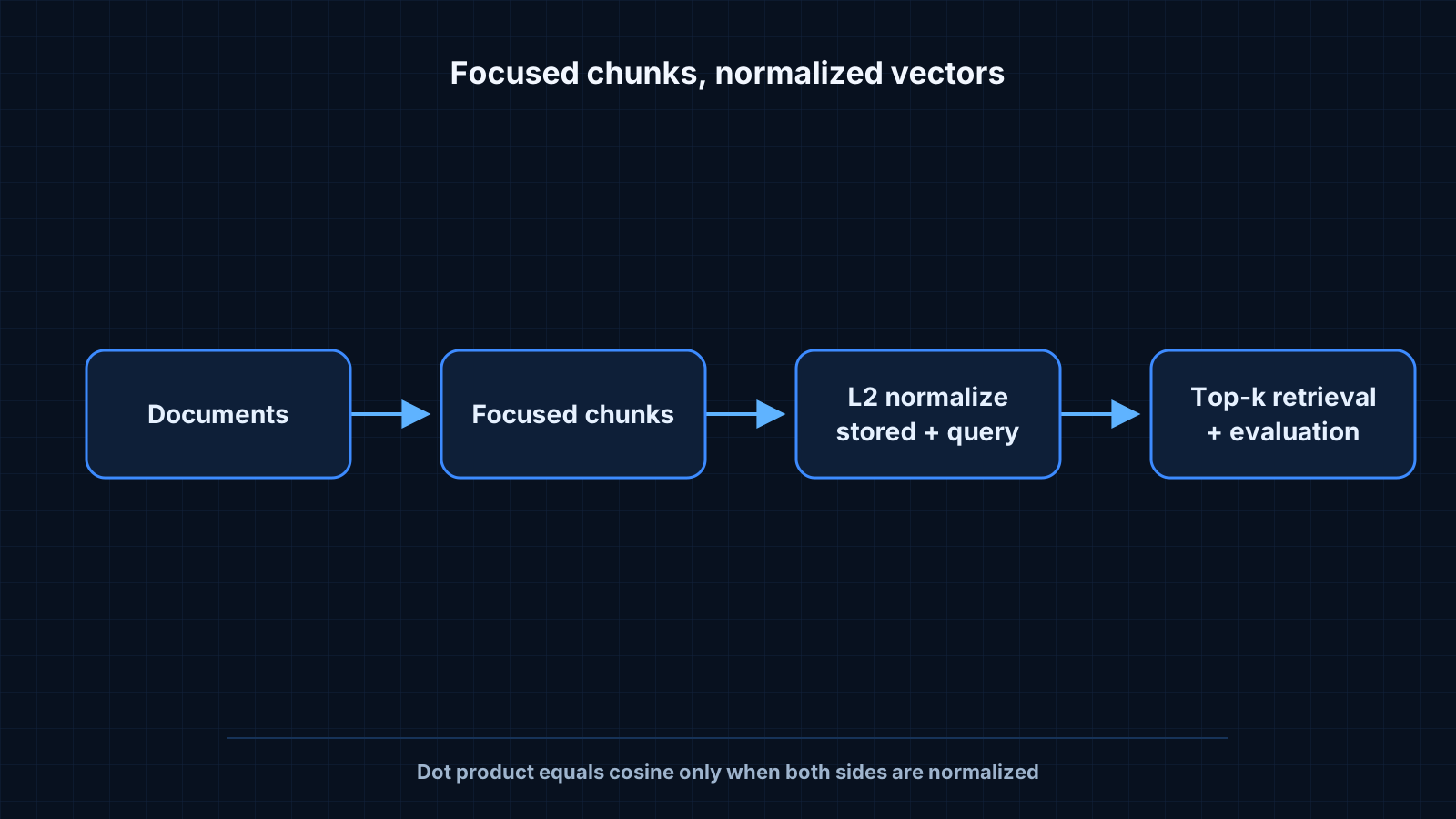
Short lessons from building retrieval with embeddings — chunk size, normalisation and why retrieval needs its own evaluation.
1 min read
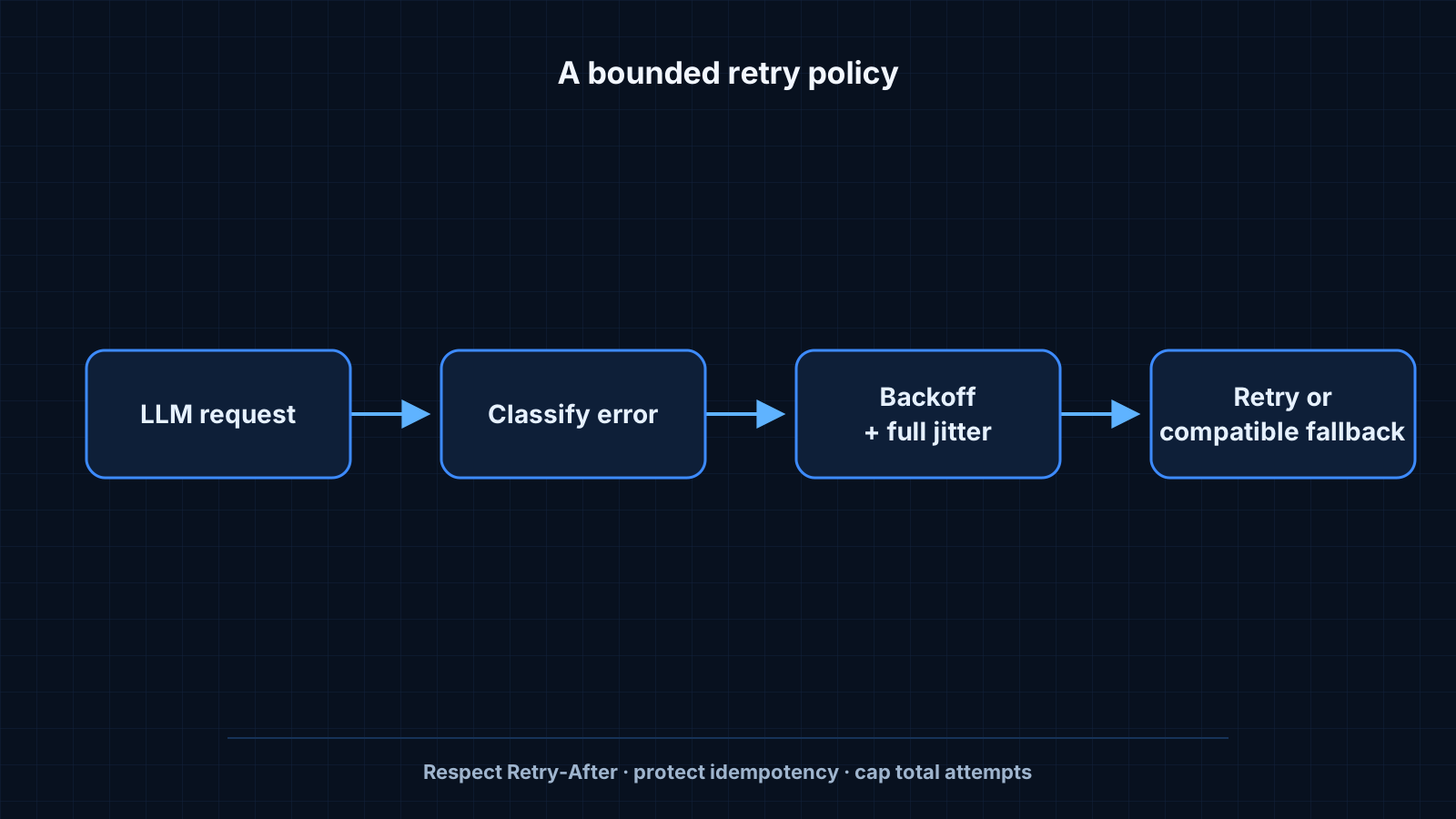
Timeouts, exponential backoff with jitter, circuit breakers and fallbacks — a small, testable retry policy for calling model APIs.
2 min read
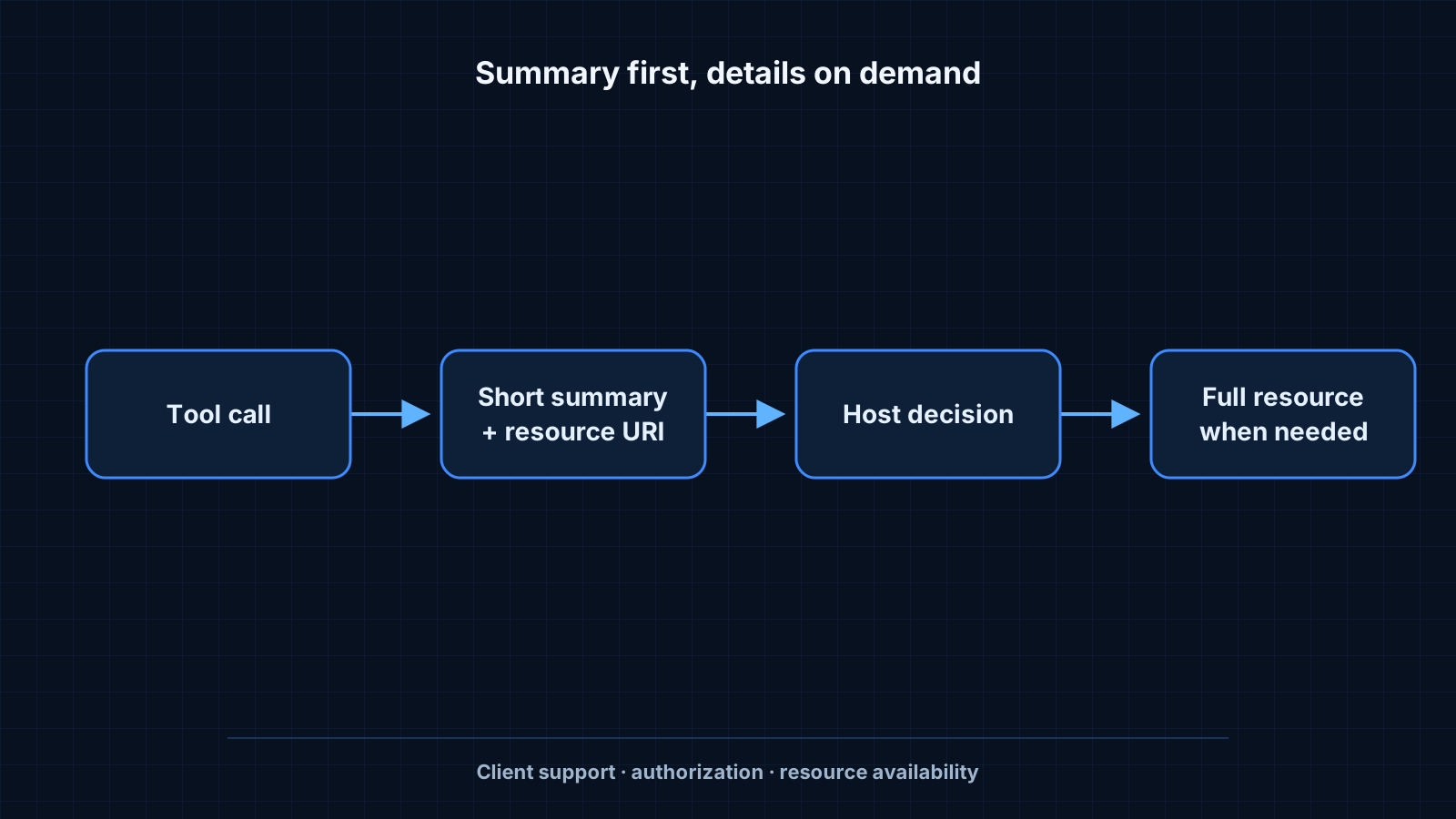
Returning a short summary plus a resource link from MCP tools keeps the context window small without hiding details.
1 min read